Cambridge South Station
Cambridge South Station
There’s been a real buzz locally with the opening of Cambridge South station on Sunday 28 June. Situated near Addenbrooke’s Hospital, the new station makes it much easier for patients, visitors and staff to reach the Cambridge Biomedical Campus, one of the UK’s leading healthcare and research hubs. It firmly puts the campus on the rail map as a destination in its own right, making journeys simpler and more direct for everyone.
Even better news for our village communities: all train services running through Meldreth, Shepreth, Foxton, Shelford and Whittlesford Parkway now stop at Cambridge South. That means easier, more convenient access across South Cambridgeshire, whether you’re heading to work, an appointment or to visit loved ones. By giving people a straightforward rail option, the station is also set to help cut down car journeys and ease congestion in this busy part of the city.
It’s also a real boost for students and families, with the station offering easier access to nearby schools and sixth forms including Long Road Sixth Form College, Cambridge Academy for Science and Technology, and The Perse School. For many, this could mean simpler, more independent journeys to education each day.
(Do please look up the advantageous 50% discounted rail fares for 16/17-year-olds travelling to education and training within Cambridgeshire, for any young people embarking on this new stage of their lives in September. Our website https://camvalleycrp.org.uk has links to Greater Anglia and GTR ticketing.)
Sustainability has clearly been front and centre in the design. The station features a lovely biodiverse green roof with wildflower planting, solar panels generating renewable energy, and a rainwater capture system to manage drainage. It’s a great example of how new infrastructure can support both people and the environment.
There was also a creative local touch to mark opening day, with a limited-edition tote bag given out to passengers on Sunday. The artwork was designed by Sarah Grove, Project Officer for the Cam Valley Community Rail Partnership, as part of a partnership project with CoCreative Connection and GTR, funded through the Your Station Your Community Fund, a nice way to celebrate the station while championing community creativity.
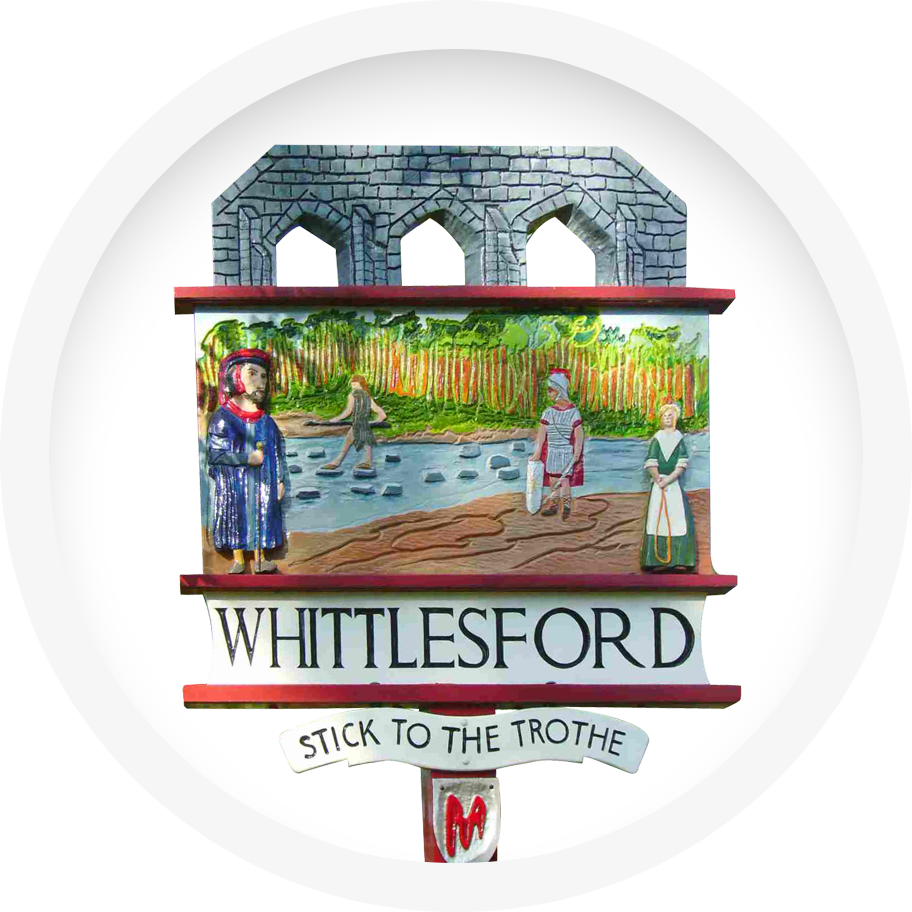
The Cam Valley Community Rail Partnership continues to work with community groups, schools and local businesses in the vicinity of Meldreth, Shepreth, Foxton, Shelford, Whittlesford Parkway, and now Cambridge South Stations, encouraging use of the sustainable travel network on our doorstep. Please look out for new station welcome boards coming soon, pointing visitors in the direction of what makes each of our station areas special. Our new website has lots of information too – and if you have a photo to contribute, please feel free to send it to
Thank you!
Susan van de Ven and Sarah Grove
Cam Valley Community Rail Partnership https://camvalleycrp.org.uk